
When To Call the District
Mosquitoes, yellowjackets, ticks, and rodents are common in Marin and Sonoma counties. But knowing when there’s a problem, what you can do at home to prevent it, and when to call the District for help is a different story. If you’re getting more mosquito bites in your backyard, discover standing water that is producing mosquitoes, or find an in-ground yellowjacket nest, that’s when the Marin/Sonoma Mosquito and Vector Control District can step in to help make your neighborhood safer. We have been busy working in the background protecting public health since 1915, but prevention starts at home. Vector Control is a team sport, and we're excited to be on your team!
Get to Know the District: Protecting Since 1915
The Marin/Sonoma Mosquito and Vector Control District is a special district dedicated to protecting the community from mosquitoes and vector-borne diseases through cost-effective, environmentally responsible integrated vector management. Funded through property taxes, our services come at no additional cost to residents, meaning protection is already built into the community you call home.
Throughout the year, our team works behind the scenes using Integrated Vector Management (IVM): a science-based approach that combines surveillance, biological control, source reduction, and targeted treatments to reduce mosquito populations in Marin and Sonoma counties. We also control inground yellowjacket nests, distribute mosquitofish, conduct tick surveillance, provide rodent control and prevention advice, educate students through classroom presentations, and participate in community events.
- Mosquito Control: Residents that are experiencing a mosquito problem may request service.
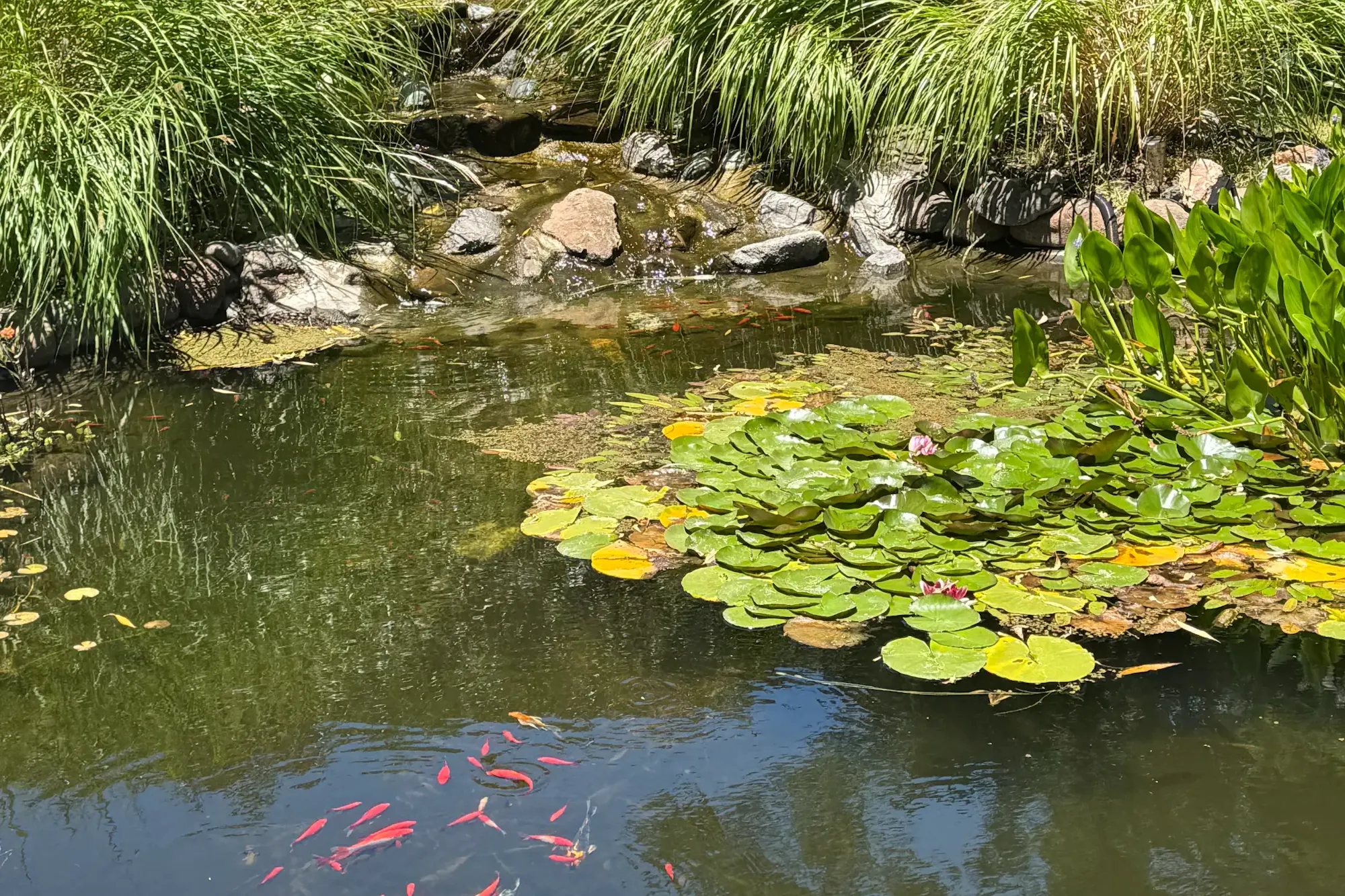
- Mosquitofish: Free delivery of mosquitofish for permanent ponds or water features.
- Yellowjacket Control: Treatment of in-ground yellowjacket nests only.
- Rodent Advice and Inspections: Residents may call for rodent advice or to schedule an inspection.
- School Education: Presentations for grades K-8 throughout the school year.
- Participation in Local Events: For more information, email our Public Information Officer.
- Insect Identification: Residents are invited to submit an online identification request regarding insects or other arthropods (spiders, scorpions, mites etc.) that affect their daily lives. Click here to submit an insect identification request.

When Should I Inform the District?
Mosquitoes don't take a season off in Marin and Sonoma counties; they're here year-round. That’s why the Marin/Sonoma Mosquito and Vector Control District is always working behind the scenes to keep mosquito populations in check. But mosquito control is a community effort. We rely on our residents to actively work with us to reduce mosquitoes in and around their yards. Backyards are the number one source of mosquito production, and you can help by checking your property at least once a week and removing any sources of standing water.
If you are still experiencing a mosquito issue or suspect that something may be producing mosquitoes in your community, that’s when you call the District for help!
Here are some things to watch for:
- You're noticing more mosquitoes biting than usual this season
- You find stagnant water or a green pool in your neighborhood or need help with your own pool or water feature.
- You have a water source you can't dump or drain and you see mosquito larvae in it
If you see any of these, be a great neighbor and let us know. You're the eyes of the neighborhood, and reporting these signs is one of the easiest ways to help keep your community safe and healthy. One call or online service request brings a certified vector control technician to your door. And the good news is that the District is funded through property taxes, so there is no additional cost for you.
Contact the District if you see any of the following:
- More biting mosquitoes than usual. Are you being bitten by mosquitoes but can’t find the water source? Call us, we can help find where they are coming from and remedy the situation.
- Standing water you can't reach. Anything holding water for 5 - 7 days can produce mosquitoes. A neglected swimming pool in the area? Standing water in the ditch? Or a water source on your property that you can’t drain? All of these could be producing mosquitoes. Call us, we can help!
- A yellowjacket nest in the ground. We treat in-ground yellowjacket nests safely and at no cost. Do not disturb the nest. Call us and we'll handle it.
- Signs of rodents on your property. Droppings, gnaw marks, or entry holes around a structure? We offer free inspections and practical advice. We can teach you how to prevent and control rodents without the use of rodenticides. Knowledge and a plan.
Prevention Starts at Home
Backyards are the number one source of mosquito production. That’s right! Anything that can hold water for 4 to 7 days - a bucket, an old tire, a planter dish, a clogged gutter, a rain barrel, or drain - can become the perfect habitat for mosquito production. And since mosquitoes need only the tiniest amount of water to complete their life cycle, finding the sources can sometimes be tricky. The good news is that a five-minute walk around your yard once a week makes a real difference.
Backyard Checklist:
- Any container capable of holding at least a teaspoon of water: Throw away, turn over, empty once a week, or drill holes in the bottom.
- Buckets, watering cans, cups, bottle caps, or trash that can hold water: Store inside or turn over. If trash, throw away.
- Fountains and bird baths: Clean out weekly.
- Rain gutters: Keep clear of leaves and other debris.
- Potted plant saucers: Don’t over water. Flush out saucers with a hose or drill holes in the bottom to allow for better drainage.
- Bromeliads (plants that hold water): Turn plant over to dump out water. For large plants, flush out cavities with a garden hose once a week. Discard or remove from landscaping if possible.
- Plant cuttings: Do not keep root plant cuttings in buckets of water.
- Ponds and other water features: Stock water features with mosquitofish. Keep ponds free and clear of excess vegetation.
- Water gardens: Stock with mosquitofish. If unable to use mosquitofish, scoop out mosquito larvae with a net on a weekly basis.
- Water bowls for pets: Scrub and rinse out once a week.
- Water troughs: Stock with mosquitofish.
- Garbage cans, barrels, and recycling bins: Keep cans covered with lids or drill holes in the bottom. If collecting rainwater, cover with a fine mesh screen.
- Tires: Drill holes in tire swings. Recycle used tires or store in a covered area.
- Low areas: Do not over water lawns or gardens.
- Pools and spas: Maintain even when not in use. Remove standing water from the top of pool and spa covers. If you know of a neglected pool or spa, please contact the District.
- Rain barrels: Cover tightly with a fine mesh screen.
- Chain link fence: Cover hollow chain link fence posts with metal or plastic caps.
- Drainage ditch, culvert, or low areas clogged by grass or weeds: Remove grass and weed clippings so water can flow and/or drain freely.
- Flat roofs: Water may puddle on flat roofs during the rainy season. Inspect weekly and remove any standing water.
- Sculptures: Check for water that may collect in garden ornaments. Drain or flush out weekly.
- Rot holes in trees: Be aware that water can collect in rot holes, crotches and dead tree stumps. Check with a professional for the best way to manage water or fill cavities.
- Water under home: Use a sump pump to remove water.
- Septic tanks: Screen vent pipes with a fine mesh screen. Cover exposed tanks or manhole lids with plastic or a similar material and secure in place. Place several inches of dirt or sand over the top of the area.
- Tarps and plastic covers: Drain water trapped in folds and arrange so water runs off.
And if you see something in your neighborhood like a neglected pool or stagnant pond full of mosquito larvae, let us know. Our friendly technicians will take it from there.